Personal Hygiene: Simple Daily Habits That Support Your Long-Term Wellness
Personal hygiene is one of those topics people rarely discuss openly, yet it plays a significant role in daily comfort, confidence, and long-term health. Many common health concerns don’t appear suddenly—they develop gradually from small habits we might overlook in our daily routines.
Buy vitamins and supplements
Healthcare professionals often emphasize that hygiene-related issues aren’t about being careless, but rather about doing certain things too frequently or not doing important things often enough. The encouraging news is that small, consistent habits can make a substantial difference in your overall health and wellbeing.
This article explores evidence-based hygiene practices recommended by medical professionals, common mistakes to avoid, and when to seek professional guidance.
Why Proper Personal Hygiene Matters
The human body maintains delicate balances in various areas, with natural bacteria and moisture levels that support healthy function. When these balances are disrupted, it can lead to several uncomfortable conditions:
Common issues that may develop:
- Skin irritation and itching
- Unusual sensations or discomfort
- Recurring minor infections
- Inflammation of sensitive skin
- General discomfort during daily activities
Many people eventually seek medical advice for these concerns, not realizing that preventive care through basic hygiene habits could have addressed the issues much earlier. Understanding proper hygiene practices empowers individuals to take proactive steps toward maintaining their health.
Understanding Your Body’s Natural Protection
The body has remarkable self-regulating systems designed to maintain health. Certain areas have their own microbiome—communities of beneficial bacteria that protect against harmful microorganisms and maintain proper pH balance.
This natural protection system is sophisticated but can be easily disrupted by:
- Overly aggressive cleaning methods
- Use of harsh chemical products
- Excessive moisture or prolonged dampness
- Tight or non-breathable clothing
- Ignoring early warning signs of imbalance
Healthcare professionals emphasize that supporting these natural protective mechanisms, rather than trying to eliminate all bacteria, is the key to maintaining optimal health.
Best clothing retailers
Simple, Evidence-Based Hygiene Practices
Nadie habla de esto en voz alta.
Nadie lo pone en el centro de la conversación.
Pero el cuerpo… el cuerpo siempre recuerda.
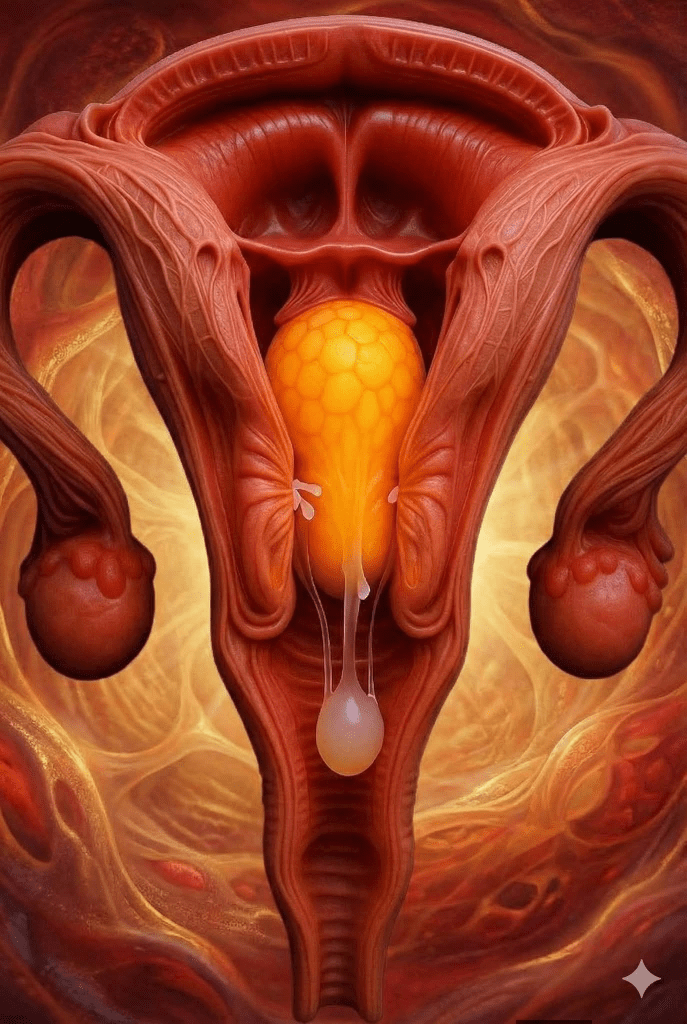
La imagen es clara, directa, imposible de ignorar. Dentro, donde todo debería fluir en silencio, algo invade. Algo microscópico, invisible a simple vista, pero devastador cuando se multiplica. Bacterias avanzan, se adhieren, se reproducen sin pedir permiso. Y el tejido, rojo, inflamado, responde con dolor.
Estas son las consecuencias de tener intimidad con…
La frase queda suspendida, porque lo que sigue incomoda. Porque obliga a mirar más allá del placer inmediato, más allá del momento, más allá de lo que “a mí no me va a pasar”.
Al principio no se siente grave.
Una pequeña molestia.
Una sensación extraña al orinar.
Un ardor leve que se justifica con cansancio, con falta de agua, con cualquier excusa.
Pero el cuerpo sabe cuándo algo no está bien.
Por dentro, la vejiga comienza a inflamarse. Las paredes, que deberían ser suaves y resistentes, se vuelven sensibles, irritadas. Cada bacteria es una chispa sobre una herida abierta. Y mientras afuera todo parece normal, adentro se libra una batalla silenciosa.
La imagen lo muestra sin rodeos: el trayecto por donde deberían circular solo líquidos limpios se convierte en un camino invadido. Las bacterias ascienden, se aferran, avanzan. No respetan edades, no respetan intenciones, no respetan descuidos.
Estas son las consecuencias…
Consecuencias de no informarse.
Consecuencias de confiar sin cuidarse.
Consecuencias de ignorar señales tempranas.
El dolor aparece cuando ya no se puede fingir. Orinar deja de ser automático y se convierte en una experiencia temida. El cuerpo se tensa. El miedo aparece. Y la pregunta llega tarde: “¿por qué no me cuidé más?”
No es castigo.
No es vergüenza.
Es biología.
El cuerpo humano es delicado. La intimidad, aunque natural, también implica riesgos cuando no hay cuidado, higiene, atención. Y estas bacterias no son un invento alarmista: son reales, persistentes, y saben aprovechar cualquier descuido.